Posted on 4/30/2026
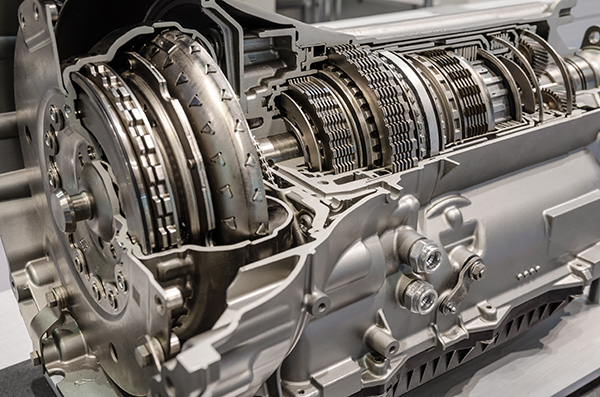
Transmission slipping is one of those problems that can feel subtle at first. You might notice the engine revving higher than expected, a delay when shifting, or the car not accelerating the way it used to. Since it can come and go, many drivers wait before getting it checked. That delay can make things worse. Slipping usually means the transmission is not holding power correctly, and that condition tends to get worse over time. Low or Degraded Transmission Fluid Transmission fluid plays a critical role in pressure, lubrication, and cooling. When fluid levels drop or the fluid breaks down, the transmission cannot maintain the pressure required to hold gears properly. A leak may cause a low fluid level, while old fluid loses its ability to protect internal components. In both cases, slipping can result. Checking fluid condition is one of the first steps during an inspection. Worn Clutch Components Inside the Transmission Inside the transmission, c ... read more
Posted on 3/27/2026

A strong fuel smell right after startup is one of those things drivers notice immediately and then try to talk themselves out of. The car starts, the smell hangs in the air for a minute, then it fades enough that the drive seems normal. That makes it easy to put off. It still means something is not right. Why Startup Is When You Notice It Most The first start of the day puts a spotlight on fuel system problems. The car has been sitting for hours, fuel vapors have had time to collect, and any small leak or seepage has had the whole night to make itself known. The moment the engine fires, that odor gets pushed out all at once. Cold starts make this more obvious because the engine runs richer for a short time. That does not mean a strong gas smell is normal. It means the startup conditions make small fuel issues much easier to notice. A Small Fuel Leak Is One Of The First Suspects A strong fuel smell right after startup often comes from a small leak ... read more
Posted on 2/27/2026
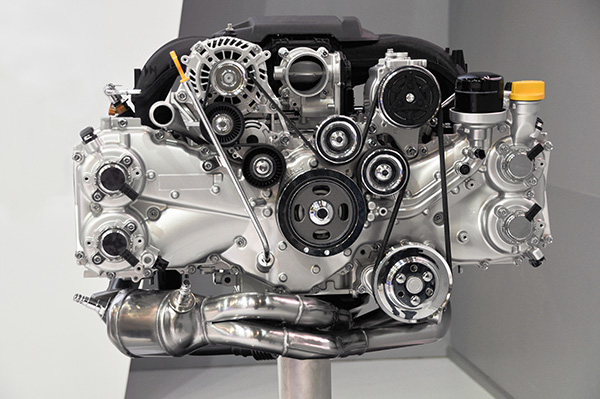
A quick squeal right when you start the engine is one of those noises that feels small, but it tends to get your attention. Sometimes it is just moisture on a belt, and it goes away in a second. Other times it is the first hint that a belt, pulley, or accessory is wearing out. The best clue is when it happens and how long it lasts. Common Squeal Sources On Cold Starts Most startup squeals come from the belt drive system, which is the belt and pulleys that spin components like the alternator and A/C compressor. When the engine first fires up, the belt has to grab quickly and transfer power right away. If traction is poor, you hear that sharp squeal as the belt slips for a moment. A squeal can also happen if an accessory is dragging more than normal. A weak alternator bearing, a stiff A/C compressor, or even a worn idler pulley can add resistance. That extra load makes the belt work harder at the exact moment it is cold and less flexible. Serpentine Belt Gla ... read more