A quick squeal right when you start the engine is one of those noises that feels small, but it tends to get your attention. Sometimes it is just moisture on a belt, and it goes away in a second. Other times it is the first hint that a belt, pulley, or accessory is wearing out.
The best clue is when it happens and how long it lasts.
Common Squeal Sources On Cold Starts
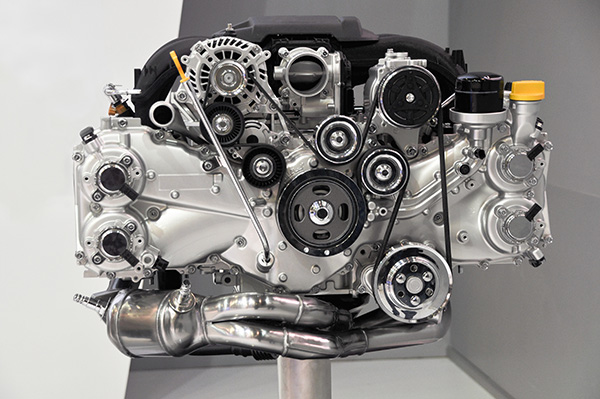
Most startup squeals come from the belt drive system, which is the belt and pulleys that spin components like the alternator and A/C compressor. When the engine first fires up, the belt has to grab quickly and transfer power right away. If traction is poor, you hear that sharp squeal as the belt slips for a moment.
A squeal can also happen if an accessory is dragging more than normal. A weak alternator bearing, a stiff A/C compressor, or even a worn idler pulley can add resistance. That extra load makes the belt work harder at the exact moment it is cold and less flexible.
Serpentine Belt Glaze And Tension Issues
Belts wear in a few different ways, and one common issue is glazing. A glazed belt looks shiny and slick, which makes it more likely to slip. If the squeal shows up more often over time, or lasts longer than it used to, belt condition climbs higher on the suspect list.
Tension matters just as much. Many vehicles use an automatic belt tensioner, and when that tensioner gets weak, the belt does not stay tight during startup load changes. We see a lot of startup squeals that come down to a tensioner that is technically working, but no longer holding steady pressure.
Moisture And Temperature Effects
Cold mornings and damp weather can make a healthy belt squeal briefly. Moisture on the belt or pulley surfaces reduces grip for a split second, and then the noise disappears once friction builds. If it only happens after rain, a car wash, or heavy dew, it may not be a serious problem.
Temperature changes can also stiffen rubber and make a belt less pliable at startup. That is why some squeals show up in winter and seem to vanish in warmer months. The pattern still matters, though, because a belt that is already worn will squeal more easily under less forgiving conditions.
Pulley And Accessory Bearing Problems
Not every squeal is just a belt slip. A failing pulley bearing can make a high-pitched squeal or chirp that may linger longer than a typical belt noise. Idler pulleys and tensioner pulleys are common because they spin constantly and live in a hot, dirty environment.
Accessory bearings can do it too. If the squeal changes when you turn the steering wheel, switch the A/C on, or turn on heavy electrical loads, that points toward a specific component adding drag. During an inspection, our technicians usually listen for bearing noise and check for pulley wobble, because these clues can help you avoid replacing the wrong part first.
When The Noise Means Stop Driving
A short squeal that lasts a second is different from a loud squeal that keeps going. If the noise continues while driving or suddenly becomes much louder, treat it as a sign to have it checked right away. A belt that is slipping badly can overheat, shred, or come off, and that can leave you without charging, power steering assist on some vehicles, or proper engine cooling on others.
Also pay attention to other symptoms. If you see a battery warning light, notice overheating, or smell a hot rubber odor, do not keep pushing the drive. Those signs suggest the belt system is not doing its job consistently, and that can turn a simple repair into a tow.
Prevention And Smart Service Timing
A good habit is to have the belt system looked over before it becomes a daily noise. Regular maintenance helps here because belts, tensioners, and pulleys often give small warnings long before they fail. If you notice cracking, fraying, or a shiny belt surface, it is worth addressing early while the repair is still straightforward.
It also helps to keep an ear out for changes after any work in the belt area. If the squeal starts after a battery replacement, alternator work, or an A/C service, something may be slightly misaligned or not tensioned correctly. A quick inspection can confirm belt routing, pulley condition, and whether the tensioner is holding steady under load.
Get Belt Squeal Repair In Ft. Collins, CO, With Community Auto
If you’re dealing with a squeal on startup, the next step is to book service so the belt, pulleys, and tension system can be repaired before a minor slip turns into a breakdown.
Schedule service with Community Auto in Ft. Collins, CO, when you want the noise gone and the vehicle ready for daily driving without that second-guessing every morning.