Transmission slipping is one of those problems that can feel subtle at first. You might notice the engine revving higher than expected, a delay when shifting, or the car not accelerating the way it used to. Since it can come and go, many drivers wait before getting it checked.
That delay can make things worse. Slipping usually means the transmission is not holding power correctly, and that condition tends to get worse over time.
Low or Degraded Transmission Fluid
Transmission fluid plays a critical role in pressure, lubrication, and cooling. When fluid levels drop or the fluid breaks down, the transmission cannot maintain the pressure required to hold gears properly.
A leak may cause a low fluid level, while old fluid loses its ability to protect internal components. In both cases, slipping can result. Checking fluid condition is one of the first steps during an inspection.
Worn Clutch Components Inside the Transmission
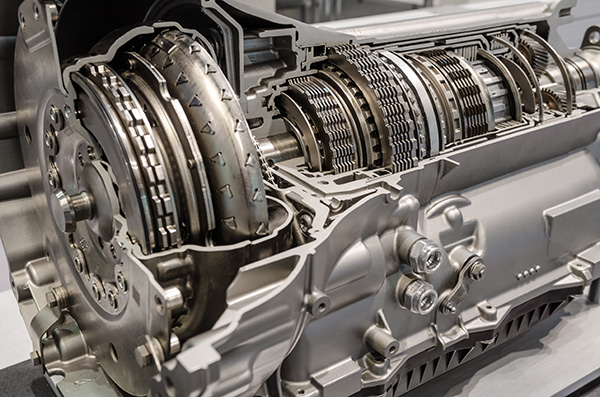
Inside the transmission, clutch packs are responsible for engaging and holding gears. Over time, these components wear down, especially if the vehicle has high mileage or has been driven under heavy load.
When the clutches wear, they cannot grip the way they should. That leads to slipping, especially during acceleration or when shifting between gears.
Overheating Can Affect Transmission Performance
Heat is a major factor in the transmission of health. When the system overheats, fluid breaks down faster, and internal parts experience more stress.
Overheating can result from heavy driving, towing, or restricted cooling. Once heat becomes an issue, slipping may become apparent as the transmission struggles to maintain proper operation.
Faulty Solenoids or Valve Body Issues
Modern transmissions rely on solenoids and the valve body to control fluid flow and shifting. If these components do not function correctly, pressure may not be applied where it is needed.
This can cause delayed shifts, slipping, or inconsistent performance. These issues are not always obvious without proper testing, which is why diagnostics are important.
Transmission Bands Wearing Out
In some transmissions, bands help hold certain gears in place. As these bands wear, they can lose their ability to maintain tension.
That loss of tension can cause slipping during specific gear changes. It may feel like the transmission is searching for the right gear or is not staying engaged.
Why Slipping Should Not Be Ignored
Transmission slipping is not just a performance issue. It indicates that internal components are not holding up the way they should. Continued driving in this condition can increase wear and lead to more extensive damage.
What starts as a minor issue can turn into a more involved repair if left alone.
How Regular Maintenance Helps Prevent Slipping
Regular maintenance helps keep transmission fluid clean and at the correct level. It also allows technicians to catch early signs of wear before slipping becomes noticeable.
An inspection during routine service can identify leaks, fluid breakdown, or early component wear. Staying ahead of these issues helps keep the transmission operating properly.
When to Schedule a Transmission Inspection
If you notice delayed shifting, high engine RPM without matching acceleration, or inconsistent gear engagement, it is time to have the transmission checked.
Even if the issue seems minor, slipping is a sign that something needs attention. Addressing it early helps prevent more serious problems.
Get Transmission Service In Ft. Collins, CO, With Community Auto
If your transmission is slipping or not shifting the way it should, Community Auto in Ft. Collins, CO, can inspect your system and determine the cause before it leads to more extensive repairs.
Call today to schedule your appointment and keep your transmission performing reliably.