Posted on 8/28/2026
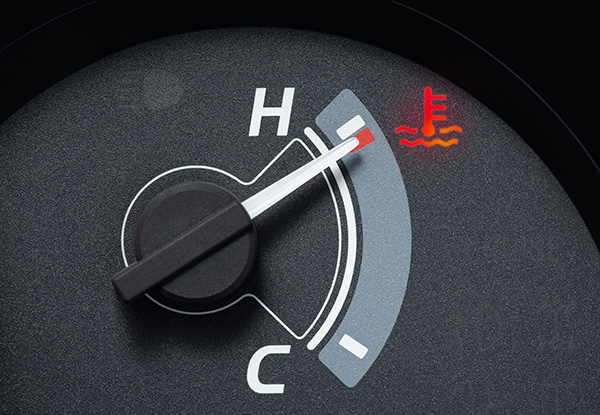
A car that starts perfectly in the morning and then refuses to restart after a normal drive can be especially confusing. You stop for fuel or groceries, come back ten minutes later, turn the key, and either the engine cranks but won't start or barely cranks at all. Leave it sitting longer, and suddenly it starts again. Here, hot means the engine has reached its normal operating temperature. We are not talking about an overheating engine. The difference matters because several electrical, fuel, and sensor problems only show themselves after heat builds under the hood. The Starter Can Struggle After Heat Builds If you turn the key and the engine cranks very slowly, clicks once, or does nothing until the car cools down, we start by looking at the starting circuit. Starter motors and solenoids live close to a hot engine and exhaust system, and worn internal parts can become less reliable as temperatures rise. At our shop, we compare battery voltage, cable voltage d ... read more
Posted on 7/31/2026
%20copy.jpg)
The countdown is officially on. You’ve requested the time off work, the hotel reservations are locked in, and the suitcases are open on the bedroom floor. There is a palpable buzz in the air when a family vacation is finally here. But as mechanics, we know there is one giant, heavy variable that can either make or break your entire trip: the machine sitting out in your driveway. At our shop, we live for the stories our customers tell us when they come back from road trips. We love hearing about the hidden beach spots, the incredible roadside diners, and the memories made along the way. Unfortunately, we also see the other side of the coin. Every summer, our garage handles vehicles towed in from the highway—stuffed to the brim with luggage, cooler ice melting, and a family sitting in our waiting room looking completely defeated. A breakdown during your weekday routine is a hassle; a breakdown on vacation is an expensive, stressful nightmare. To make sure your vehicle is ge ... read more
Posted on 6/26/2026
%20(1).jpeg)
There is nothing quite like the sinking feeling of turning your key or pressing the start button only to be met with a dashboard lit up like a Christmas tree and an engine that refuses to turn over. You might think your battery died, or your starter gave up the ghost, but when you pop the hood, you find a much fuzzier culprit. We’ve seen it here at the shop. A nest of dried grass perched on top of the intake manifold and a wiring harness that looks like it was put through a paper shredder. Rodents love your car. To a mouse, a squirrel, or a rat, your engine bay is the ultimate luxury apartment. It is warm, it is sheltered from predators, and most importantly, it is full of snacks. Many modern car manufacturers have switched to soy-based insulation for wiring because it is more environmentally friendly, but to a hungry rodent, those wires taste like a five-course meal. Once they settle in, they can cause thousands of dollars in damage in a single night. At our shop, we have spen ... read more
Posted on 5/29/2026
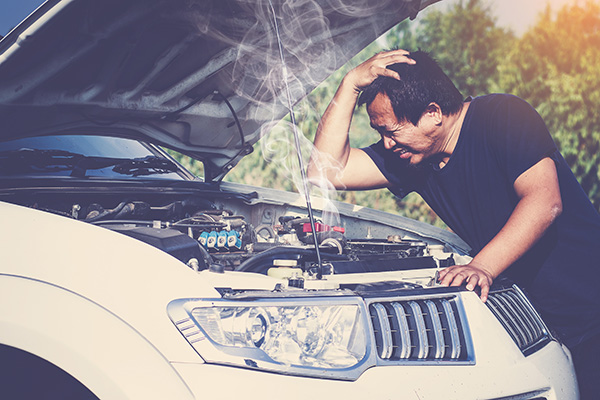
An overheating engine has a way of making drivers bargain with the dashboard. Maybe it will cool down at the next light. Maybe turning off the A/C will help. Maybe home is close enough. That thinking can get expensive fast. When the temperature gauge climbs, the engine is already outside its safe range. A few extra miles can be enough to turn a cooling system repair into gasket damage, warped metal, or internal engine wear. Heat Starts Changing Engine Parts Fast Engines are built to run hot, but they are built to run within a controlled temperature range. The cooling system keeps that heat under control with coolant, the radiator, thermostat, water pump, fans, hoses, and pressure cap. When the system cannot keep up, metal parts expand beyond their intended limits. Aluminum cylinder heads, gaskets, seals, and plastic cooling parts can all be damaged by excess heat. The longer the engine runs hot, the more stress those parts take. That is why overheating should nev ... read more
Posted on 4/30/2026
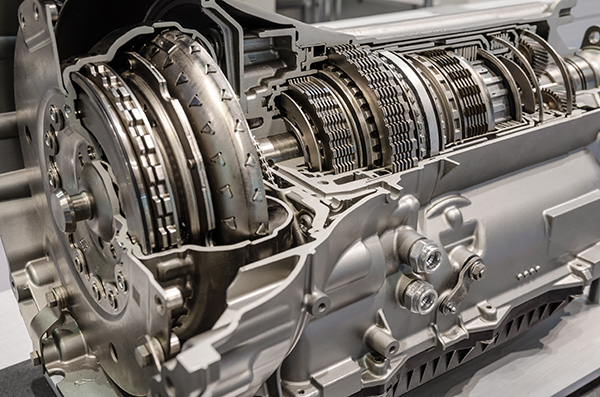
Transmission slipping is one of those problems that can feel subtle at first. You might notice the engine revving higher than expected, a delay when shifting, or the car not accelerating the way it used to. Since it can come and go, many drivers wait before getting it checked. That delay can make things worse. Slipping usually means the transmission is not holding power correctly, and that condition tends to get worse over time. Low or Degraded Transmission Fluid Transmission fluid plays a critical role in pressure, lubrication, and cooling. When fluid levels drop or the fluid breaks down, the transmission cannot maintain the pressure required to hold gears properly. A leak may cause a low fluid level, while old fluid loses its ability to protect internal components. In both cases, slipping can result. Checking fluid condition is one of the first steps during an inspection. Worn Clutch Components Inside the Transmission Inside the transmission, c ... read more