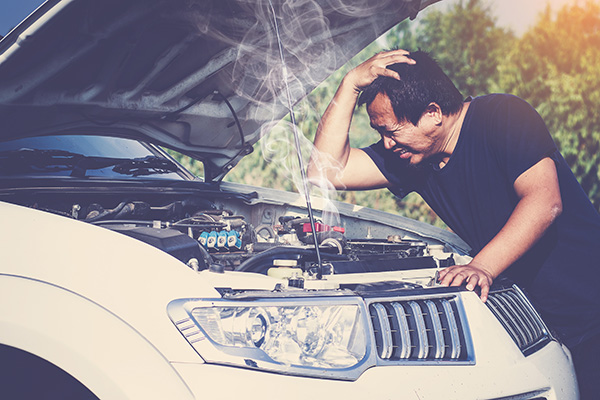
An overheating engine has a way of making drivers bargain with the dashboard. Maybe it will cool down at the next light. Maybe turning off the A/C will help. Maybe home is close enough.
That thinking can get expensive fast.
When the temperature gauge climbs, the engine is already outside its safe range. A few extra miles can be enough to turn a cooling system repair into gasket damage, warped metal, or internal engine wear.
Heat Starts Changing Engine Parts Fast
Engines are built to run hot, but they are built to run within a controlled temperature range. The cooling system keeps that heat under control with coolant, the radiator, thermostat, water pump, fans, hoses, and pressure cap.
When the system cannot keep up, metal parts expand beyond their intended limits. Aluminum cylinder heads, gaskets, seals, and plastic cooling parts can all be damaged by excess heat. The longer the engine runs hot, the more stress those parts take.
That is why overheating should never be treated like a minor warning. The car is telling you the heat is no longer being managed.
The Head Gasket Can Be Damaged
The head gasket seals the area between the engine block and cylinder head. It keeps combustion pressure, coolant, and oil separated. When the engine overheats, the cylinder head can warp slightly, which can prevent the gasket from sealing correctly.
A damaged head gasket may cause coolant loss, white exhaust smoke, bubbles in the coolant reservoir, rough running, or repeated overheating. Sometimes the symptoms show up right away. Other times, the vehicle cools down and seems fine for a few days before the problem returns.
That delay is what fools people. The engine may have already been hurt during the hot drive, even if it seemed to recover afterward.
Coolant Can Boil Off Or Stop Moving Correctly
Coolant needs to move through the engine and radiator to carry heat away. If the coolant level is low, the thermostat is stuck, the water pump is weak, or air is trapped in the system, coolant flow can break down.
Once the coolant gets too hot, it can boil. Boiling creates steam pockets, and steam does not carry heat away as effectively as liquid coolant does. That can create hot spots inside the engine, even if the gauge moves up and down.
You might notice the heater blowing cold while the engine is hot, coolant leaking from the reservoir, or a sweet smell after parking. Those clues usually mean the system is not staying full, sealed, or pressurized the way it should.
Engine Oil Can Lose Protection
Oil helps lubricate and cool internal engine parts. When the engine overheats, oil gets exposed to heat it was not meant to handle for long. It can thin out, break down more quickly, and leave parts less protected.
Bearings, camshafts, timing components, pistons, and turbochargers on equipped engines all depend on a steady supply of oil. If the engine keeps running hot, the oil may not be able to adequately protect those parts.
That is one reason repeated overheating is so damaging. It not only affects coolant parts. It can start affecting the internal parts that keep the engine alive.
Plastic And Rubber Parts Can Fail Too
Modern cooling systems use plenty of plastic and rubber parts. Hoses, reservoirs, radiator tanks, thermostat housings, fittings, seals, and caps all deal with heat and pressure every time the car runs.
Overheating can make these parts brittle, swollen, soft, or cracked. A hose that was already weak can split. A reservoir can crack. A pressure cap can stop holding pressure. Once pressure drops, coolant can boil sooner, worsening overheating.
This is how one small leak can turn into several damaged parts. The first failure triggers overheating, which then damages other parts around it.
What To Do When The Temperature Gauge Climbs
If the gauge starts rising, turn off the A/C and reduce engine load. If the temperature keeps climbing, pull over safely and shut the engine off. Do not open the coolant cap while the engine is hot. Hot, pressurized coolant can spray out and cause serious burns.
Let the engine cool before checking anything. If coolant is pouring out, the warning light comes back quickly, or the engine runs rough after cooling down, driving farther is not worth the risk.
A tow is inconvenient. Replacing major engine parts is worse.
Why The Cause Still Needs To Be Found
Adding coolant may help at the moment, but it does not explain why the engine overheated. The cause could be a leak, a weak fan, a stuck thermostat, a bad water pump, a clogged radiator, a pressure cap issue, an air pocket, or an internal engine problem.
Regular maintenance can catch weak hoses, low coolant, old coolant, and small leaks before they turn into a hot engine. Once overheating has occurred, an inspection should check the entire cooling system and look for signs of more serious damage.
The important question is not only how hot it got. It is why it got hot, and whether anything was damaged while it was driven that way.
Get Engine Overheating Service In Ft. Collins, CO, With Community Auto
If your vehicle overheated, lost coolant, smelled sweet after driving, or showed a temperature warning, Community Auto in Ft. Collins, CO, can check the cooling system and look for signs of engine damage.
Schedule a visit before another hot drive turns a repairable cooling issue into a much larger engine problem.